
What duty cycle actually measures
Duty cycle is how a manufacturer states how much of the time a welder can actually be striking an arc before the machine has to stop and cool down. It is not a measure of quality and it is not a limit on how long the machine will last. It is a limit on how much heat the internal components can shed in a fixed window before something inside starts to overheat.
How the figure is worked out
The rating is based on a ten-minute cycle. A machine rated at a given duty cycle and amperage can run for that share of any ten minutes before it needs to rest for the remainder. A 60% duty cycle at 200A means six minutes of welding and four minutes of cooling, repeated. Push past that and the machine will usually cut out to protect itself rather than fail outright.
The rating is also tied to a specific amperage and a specific ambient temperature set by the manufacturer for testing, not the temperature of the workshop or the yard the machine is actually running in. Two machines tested under different assumptions are not directly comparable just because their percentages look similar.
Why the box figure rarely matches a working day
Most trade welding is not continuous arc time. It is fit-up, positioning, a short run, a pause to check the joint, then another run. Over a working day that adds up to far less arc time than the duty cycle window implies, which is why a machine can feel underrated on paper and still cope fine in practice.
The reverse also happens. Structural work with long seams, or repair work in a hot workshop, can push a machine toward its rated limit, because the ambient temperature assumption behind the figure was never meant to describe a working site.
The number on the box is a starting point for comparing machines, not a promise about how a machine will behave in your shed, on your site, or in your van.
Why duty cycle falls away faster than amperage rises
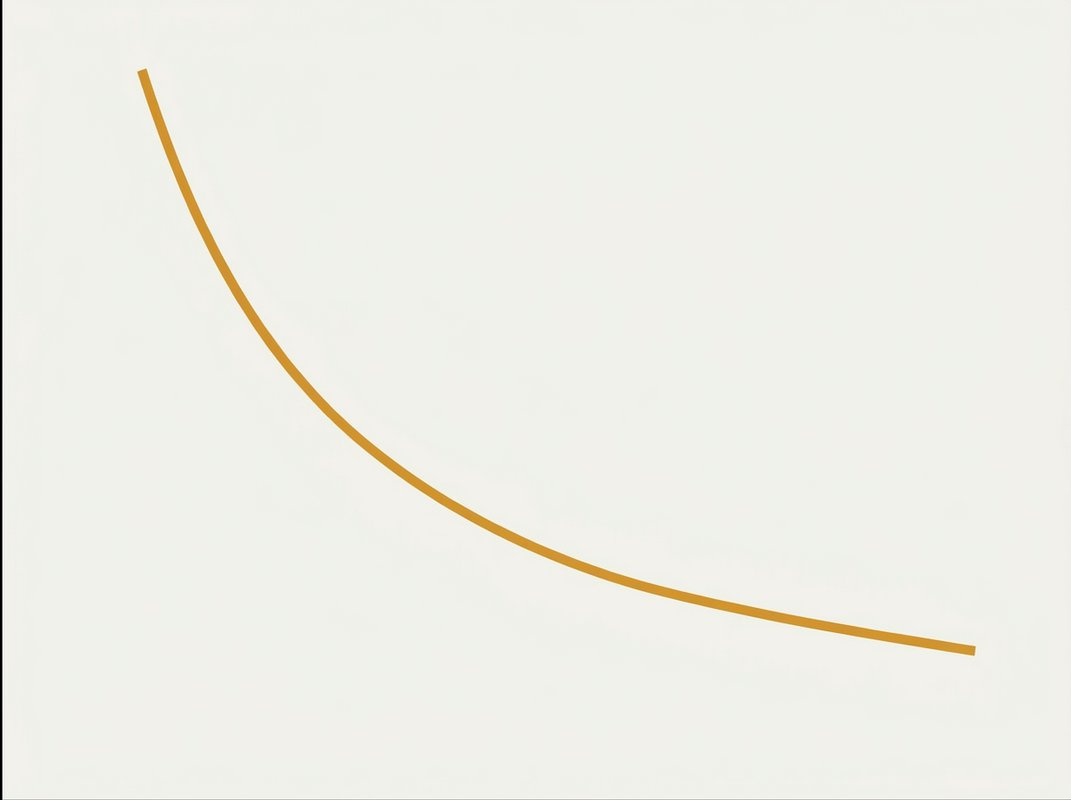
The duty cycle figure on a spec sheet is tied to one amperage. Turn the output down and the run time goes up; turn it up and the run time falls away fast, and the two do not move together in a straight line.
A machine rated 200A at 30% duty cycle, for a ten-minute period, might manage that output for three minutes before it needs to cool. Drop to 150A on the same machine and you might get most of the ten minutes. Drop further, to 100A, and it may run near enough continuously. The manufacturer picks one point on that curve, usually the top end, because that is the number that reads best on the box.
Why the drop is so steep
Heat in the machine comes from current passing through the internal wiring and transformer or inverter components, and heat generation rises with the square of the current. Push the amperage up a bit and the heat produced goes up a lot, which is why the usable run time falls away faster than the amperage climbs.
This is why two machines with the same headline duty cycle figure can behave very differently once you are actually welding. A machine rated 200A at 30% and one rated 250A at 30% are not equally suited to a job that runs at 180A for most of the day. The lower-rated machine is probably already close to its limit at that output; the higher-rated one has room to spare, because 180A sits well down its own curve.
- At or near the rated amperage: the printed duty cycle applies, and that is the shortest run time the machine will give you at that output.
- Below the rated amperage: run time increases, often sharply, well before you reach continuous running.
- Above the rated amperage: most machines will not let you go there at all, or will cut out quickly if you try.
If your working amperage sits well below the figure printed on the box, the printed duty cycle tells you less than you'd think. What matters is the run time at the amperage you actually weld at, and that means checking the manufacturer's duty cycle curve or table for the model.
How much duty cycle do you actually need?
How much welding you actually do in a working day is what decides which duty cycle suits you. That figure only means something once it is set against your own working pattern.
Short tack runs and occasional repairs
Fixing brackets, tacking fabrications together, patching damage on site: this is short bursts of arc time followed by long pauses while you move, measure or fit the next piece. A machine with a modest duty cycle at the amperage you actually use will rarely reach its cooling limit, because the arc is never on continuously for more than a minute or two. This is where a cheaper inverter earns its keep. The lower duty cycle on the spec sheet is not a real limitation for this kind of work.
Long seam work
Running a continuous seam of any length, a tank, a chassis rail, a length of ducting, changes the sum. The arc stays on for minutes at a stretch, and a machine built for short bursts will hit its thermal cutout partway through the seam, leaving you waiting for it to cool before you can finish. If your work regularly involves long seams at a fixed amperage, check the duty cycle at that specific amperage.
Structural site welding
Structural work, steel that has to carry load, welded at high amperage for long stretches through a full working day, sits at the top end of demand. This is where the gap between a machine built for occasional use and one built for production welding actually shows up. A machine that cuts out every few minutes on a structural job costs you time every day it is used, and that cost adds up over the years you own it in a way the spec sheet never shows.
Where the real threshold sits
There is no single amperage or duty cycle figure that applies across every trade. The threshold is the point where your actual pattern of welding, minutes of arc against minutes of pause, meets the machine's rated cycle at the amperage you work at. If your day is mostly short repairs and occasional tacking, a lower duty cycle is not a compromise. If it is mostly continuous structural runs, the higher duty cycle is what you are paying for, and it earns its cost.
Common duty cycle questions
What does the 40°C ambient figure on a duty cycle rating mean in practice?
Duty cycle is worked out with the surrounding air at 40°C, because that is the reference point used in the IEC testing method manufacturers rely on. Weld inside a metal container in summer, or next to a compressor pulling in warm exhaust air, and the machine will cut back sooner than the printed figure suggests. Work somewhere cooler than that and you can often get more welding time out of it before it needs to rest.
What actually happens if a welder is pushed past its rated duty cycle?
The machine's thermal protection cuts the output before the windings or electronics overheat, so you lose the arc mid-job. Do that regularly over months and the repeated heat stress does shorten the life of the internal components, even though the protection itself keeps doing its job each time. A cut-out is worth reading as a sign the machine is undersized for that run.
Do inverter welders handle duty cycle differently to transformer machines?
An inverter welder switches mains power electronically, and that produces less waste heat for a given output. That is why a compact inverter MIG can often match or beat the duty cycle of a far heavier transformer machine running at the same amperage. It still throttles back in a hot workshop or on a hot site, just from a higher starting point than a transformer machine would.
Does duty cycle apply to generators and pressure washers too?
Both carry a version of the same idea, usually shown as a continuous rating alongside a higher maximum or surge figure. The maximum figure is what the unit can produce briefly. Sizing a generator against its continuous rating is the same discipline as checking a welder's duty cycle at the amperage you actually work at.
Can duty cycle figures be compared directly between manufacturers?
Duty cycle is generally tested against the same IEC convention, so the headline number gives you a reasonable basis for comparing machines on paper. Where manufacturers differ is in how much of the curve they publish. Some give you the figure at one amperage only, so it is worth checking whether the rating you are comparing is stated at the amperage you will actually be running the machine at.